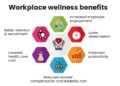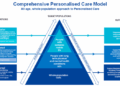

With a focus on How Wellness Centers Are Changing the Future of Healthcare, the landscape of patient care is evolving rapidly as these centers redefine traditional healthcare models and offer a blend of conventional and alternative medicine. From innovative technologies to personalized wellness plans, wellness centers are revolutionizing the way healthcare is delivered.
The Role of Wellness Centers in Healthcare Transformation
In the traditional healthcare model, the focus has primarily been on treating illnesses and managing symptoms rather than preventing diseases. Patients often only visit healthcare providers when they are sick or in need of medical attention.
Wellness centers are reshaping patient care by taking a proactive approach to health. Instead of just addressing symptoms, they emphasize prevention, education, and lifestyle changes to promote overall well-being and prevent future health issues.
Services Offered at Modern Wellness Centers
- Personalized Nutrition Plans: Wellness centers offer customized nutrition plans tailored to individual needs and goals, promoting healthy eating habits and addressing nutritional deficiencies.
- Physical Fitness Programs: These centers provide exercise programs designed to improve strength, flexibility, and cardiovascular health, helping patients achieve their fitness goals.
- Mental Health Support: Wellness centers offer mental health services such as counseling, stress management techniques, and mindfulness practices to support emotional well-being.
- Alternative Therapies: Patients can access a variety of alternative therapies such as acupuncture, massage therapy, and chiropractic care to complement traditional medical treatments.
- Health Screenings and Preventive Care: Wellness centers offer regular health screenings, preventive care services, and vaccines to detect and prevent illnesses before they become serious.
Integrative Approach to Health and Wellness
Wellness centers take an integrative approach to health and wellness by combining conventional and alternative medicine practices. This approach focuses on treating the whole person, including the physical, mental, emotional, and spiritual aspects of health.
Benefits of an Integrative Healthcare Approach
- Personalized Care: Integrative healthcare considers each individual's unique needs and preferences, leading to personalized treatment plans.
- Comprehensive Treatment: By incorporating a variety of healing modalities, integrative healthcare addresses a wide range of health issues.
- Promotion of Holistic Well-being: This approach promotes overall well-being by addressing the root causes of health concerns, not just symptoms.
- Reduced Side Effects: Integrative healthcare often relies on natural remedies and therapies, reducing the risk of side effects associated with pharmaceutical interventions.
Comparison of Treatment Methods in Wellness Centers and Traditional Medical Practices
Wellness centers offer a range of treatment methods that differ from traditional medical practices in several ways:
- Focus on Prevention: Wellness centers emphasize preventive care and lifestyle modifications to promote long-term health and wellness.
- Use of Complementary Therapies: Integrative healthcare utilizes complementary therapies such as acupuncture, massage therapy, and nutritional counseling in addition to conventional treatments.
- Emphasis on Patient Empowerment: Patients are actively involved in their care plans in wellness centers, empowering them to take charge of their health and well-being.
- Collaborative Approach: Wellness centers often involve a team of healthcare providers working together to address all aspects of a patient's health, fostering a collaborative and holistic approach to treatment.
Technology and Innovation in Wellness Centers
Technology plays a crucial role in enhancing healthcare services provided by wellness centers. From streamlining processes to improving patient care, innovative technologies are transforming the way healthcare is delivered. Let's explore some examples of how technology is revolutionizing wellness centers and the impact of telemedicine and digital health platforms on patient care.
Remote Monitoring Devices
- Remote monitoring devices, such as wearable fitness trackers and smart scales, allow patients to track their health metrics from the comfort of their homes.
- These devices provide real-time data to healthcare providers, enabling them to intervene early and adjust treatment plans as needed.
- Remote monitoring devices help to promote patient engagement and adherence to treatment protocols, leading to better health outcomes.
Telemedicine
- Telemedicine allows patients to consult with healthcare providers remotely through video calls, phone calls, or secure messaging platforms.
- This technology eliminates geographical barriers and improves access to healthcare services, especially in rural or underserved areas.
- Telemedicine enhances convenience for patients, reduces healthcare costs, and minimizes the risk of exposure to infectious diseases.
Digital Health Platforms
- Digital health platforms, such as electronic health records (EHR) systems and patient portals, centralize patient information and facilitate communication between patients and providers.
- These platforms enable seamless coordination of care, improve treatment outcomes, and enhance patient satisfaction.
- Digital health platforms also support data-driven decision-making, personalized care plans, and population health management.
Focus on Preventive Care and Lifestyle Management
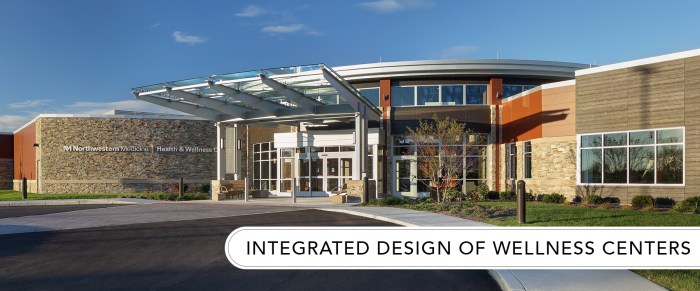
Wellness centers place a strong emphasis on preventive care and lifestyle management to help individuals maintain optimal health and well-being.
Educating Patients on Healthy Lifestyle Choices
Wellness centers play a crucial role in educating patients on healthy lifestyle choices, including proper nutrition, regular exercise, stress management, and adequate sleep. By providing information and resources, these centers empower individuals to make informed decisions about their health.
Personalized Wellness Plans
Wellness centers offer personalized wellness plans tailored to individual needs. Through comprehensive assessments and consultations, healthcare professionals develop customized plans that address specific health goals, preferences, and challenges. These plans often include a combination of nutrition guidance, fitness recommendations, stress reduction techniques, and other support services to promote overall well-being.
Closing Notes
In conclusion, the transformation brought about by wellness centers in healthcare is evident in the shift towards preventive care, integrative approaches, and the use of cutting-edge technologies. The future of healthcare is indeed being shaped by the innovative practices and patient-centered care provided by these centers.
Frequently Asked Questions
How are wellness centers reshaping patient care?
Wellness centers are shifting the focus towards preventive care, personalized wellness plans, and educating patients on healthy lifestyle choices, leading to a more holistic approach to healthcare.
What benefits does an integrative healthcare approach offer?
An integrative healthcare approach combines conventional and alternative medicine, providing patients with a wider range of treatment options and promoting overall well-being.
How is technology enhancing healthcare services in wellness centers?
Technology in wellness centers is improving patient care through innovative tools like telemedicine and digital health platforms, making healthcare more accessible and convenient.
Why is there an emphasis on preventive care in wellness centers?
Wellness centers prioritize preventive care to help patients maintain good health and prevent illnesses before they occur, fostering a proactive approach to well-being.