
Delving into the realm of selecting business health insurance for 2025, this introduction invites readers with a wealth of knowledge, promising an informative and unique reading experience.
The subsequent paragraph will delve deeper into the intricacies of this crucial topic.
Factors to Consider When Choosing Business Health Insurance
When choosing health insurance for your business, there are several key factors to consider to ensure you select the best plan that meets the needs of both your company and your employees. It is important to take into account the unique requirements of your workforce and the nature of your business to make an informed decision.
Employee Needs
- Consider the age and health status of your employees to determine the level of coverage required.
- Take into account any specific health conditions or medical needs that your employees may have.
- Evaluate the preferences of your workforce regarding healthcare providers and services.
Types of Health Insurance Plans
- Traditional Health Insurance: Offers a broad range of coverage but can be more costly.
- High-Deductible Health Plans (HDHP): Lower premiums but higher out-of-pocket costs, often paired with Health Savings Accounts (HSAs).
- Health Maintenance Organization (HMO): Requires employees to choose a primary care physician and get referrals for specialists.
- Preferred Provider Organization (PPO): Provides more flexibility in choosing healthcare providers without referrals.
- Exclusive Provider Organization (EPO): Similar to PPO but with a more limited network of providers.
- Point of Service (POS): Combines elements of HMO and PPO plans, offering some flexibility with a designated network.
Cost Analysis and Budgeting
When it comes to choosing the best business health insurance, analyzing costs and budgeting effectively are crucial steps in ensuring the financial stability of your company while providing adequate coverage for your employees.
Understanding Cost Analysis
Before selecting a health insurance plan for your business, it is essential to conduct a thorough cost analysis. This involves evaluating the premiums, deductibles, co-payments, and out-of-pocket expenses associated with each plan. Consider the total cost of the plan, including both employer and employee contributions, to determine the overall financial impact on your business.
Effective Budgeting Strategies
When budgeting for health insurance, consider the size of your business, the number of employees to be covered, and the level of coverage required. It is important to set a realistic budget that aligns with your company's financial goals while providing adequate health benefits to your employees.
Compare different plans and providers to find the best value for your budget.
Impact of Cost on Coverage Quality
While cost is an important factor in selecting a health insurance plan, it is crucial to consider the impact of cost on the quality of coverage provided. Cheaper plans may offer limited coverage or higher out-of-pocket costs, while more expensive plans may provide comprehensive benefits.
Strike a balance between cost and coverage quality to ensure that your employees receive the care they need without compromising on financial stability.
Coverage Options and Benefits
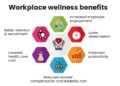
When it comes to business health insurance, there are various coverage options available for employers to choose from. Providing comprehensive coverage to employees can have numerous benefits, such as attracting top talent, improving employee retention, and boosting overall morale. Tailoring coverage options to meet the specific needs of the business and its employees is crucial for ensuring that everyone is adequately protected and cared for.
Different Coverage Options
- Health Maintenance Organization (HMO) Plans: These plans require employees to choose a primary care physician and get referrals to see specialists.
- Preferred Provider Organization (PPO) Plans: PPO plans offer more flexibility in choosing healthcare providers, but they often come with higher premiums.
- High Deductible Health Plans (HDHPs): HDHPs have lower premiums but higher deductibles, making them a good option for cost-conscious businesses and employees.
- Health Savings Accounts (HSAs) and Flexible Spending Accounts (FSAs): These accounts allow employees to save pre-tax dollars for medical expenses, providing additional financial benefits.
Benefits of Comprehensive Coverage
- Improved Employee Health and Well-being: Comprehensive coverage ensures that employees can access necessary medical care, leading to better health outcomes and increased productivity.
- Enhanced Recruitment and Retention: Offering robust health benefits can attract top talent and retain valuable employees, reducing turnover costs for the business.
- Employee Satisfaction and Morale: Knowing that their healthcare needs are taken care of can boost employee morale and create a positive work environment.
Tailoring Coverage Options
- Conducting Employee Surveys: Gathering feedback from employees can help identify their specific healthcare needs and preferences, allowing employers to tailor coverage accordingly.
- Considering Demographic Factors: Taking into account the age, health status, and family situation of employees can help in customizing coverage options to suit their individual requirements.
- Consulting with Insurance Providers: Working closely with insurance providers can help businesses design a comprehensive health insurance plan that meets both the company's budget and the employees' needs.
Provider Networks and Accessibility
When it comes to business health insurance, provider networks play a crucial role in determining the access employees have to healthcare services. Provider networks consist of hospitals, doctors, specialists, and other healthcare professionals that have agreements with the insurance company to provide services at a discounted rate to the insured individuals.
Importance of Provider Networks
Provider networks are important as they can impact the quality of care employees receive and the cost of that care. By choosing a health insurance plan with a robust provider network, businesses can ensure that their employees have access to a wide range of healthcare providers and facilities.
Comparing Provider Networks
- Preferred Provider Organization (PPO): PPO plans offer flexibility in choosing healthcare providers, allowing employees to see both in-network and out-of-network providers. While out-of-network care may come at a higher cost, employees have more options.
- Health Maintenance Organization (HMO): HMO plans require employees to choose a primary care physician (PCP) and obtain referrals to see specialists. While this can limit flexibility, HMO plans often have lower out-of-pocket costs.
- Exclusive Provider Organization (EPO): EPO plans offer coverage only for in-network providers, similar to HMOs. However, EPO plans typically do not require referrals to see specialists.
Ensuring Access to Quality Providers
Businesses can implement strategies to ensure that employees have access to quality healthcare providers within the network. This can include providing education to employees on how to navigate the network, offering resources to help employees find providers, and regularly evaluating the quality of care provided by network providers.
Last Point
In conclusion, this discussion encapsulates the essence of choosing the best business health insurance in 2025, leaving readers with valuable insights and considerations to ponder.
Frequently Asked Questions
What factors should businesses consider when selecting health insurance?
Businesses should consider factors like coverage options, cost, and employee needs when choosing health insurance.
How can businesses effectively analyze the cost of health insurance plans?
Businesses can analyze costs by comparing premiums, deductibles, and out-of-pocket expenses of different plans.
Why is it important to tailor coverage options to meet specific business needs?
Tailoring coverage ensures that the health insurance plan aligns with the unique requirements of the business and its employees.
What impact do provider networks have on employee access to healthcare?
Provider networks influence the choice and quality of healthcare providers available to employees within the plan.