
Beginning with Affordable Private Health Cover Options for Small Companies, the narrative unfolds in a compelling and distinctive manner, drawing readers into a story that promises to be both engaging and uniquely memorable.
When it comes to small companies, providing affordable private health cover options can make a significant impact on both employees and the business itself. Let's delve into the details of why this is crucial and explore the various options available.
Overview of Affordable Private Health Cover Options for Small Companies
Affordable private health cover options for small companies refer to insurance plans that provide medical coverage for employees of small businesses at a reasonable cost. These options are tailored to meet the needs and budget constraints of small companies while ensuring quality healthcare benefits for their staff.
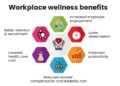
It is important for small companies to consider private health cover options to attract and retain top talent, improve employee satisfaction and well-being, and enhance overall productivity. Providing access to private health cover can set small businesses apart from competitors and demonstrate a commitment to the health and welfare of their employees.
Advantages of Providing Private Health Cover for Employees in Small Companies
- Improved Employee Morale and Retention: Offering private health cover shows employees that their well-being is a priority, leading to increased job satisfaction and loyalty to the company.
- Enhanced Recruitment Opportunities: Small companies can attract top talent by providing a valuable benefit like private health cover, making them more competitive in the job market.
- Healthier Workforce: Access to healthcare services through private cover can help employees stay healthy, reducing absenteeism and promoting a more productive work environment.
- Cost-Effective Healthcare: Private health cover options for small companies often come with group discounts and cost-sharing arrangements, making quality healthcare more affordable for both employers and employees.
Types of Affordable Private Health Cover Plans
When it comes to private health cover plans for small companies, there are several options available to suit different needs and budgets. Let's explore the basic, mid-level, and comprehensive private health cover plans and discuss the flexibility and customization options for small companies.
Basic Private Health Cover Plans
Basic private health cover plans typically offer essential coverage for hospital stays, surgeries, and some outpatient services. These plans are more budget-friendly and suitable for small companies looking for basic healthcare coverage for their employees. An example of a basic private health cover plan could include coverage for hospital accommodation, surgery, and emergency department visits.
Mid-Level Private Health Cover Plans
Mid-level private health cover plans offer a more extensive range of coverage compared to basic plans. They may include coverage for additional services such as dental, optical, and physiotherapy, along with a higher annual limit on benefits. These plans are suitable for small companies that want more comprehensive coverage for their employees.
An example of a mid-level private health cover plan could include coverage for hospital accommodation, surgery, dental check-ups, and prescription medications.
Comprehensive Private Health Cover Plans
Comprehensive private health cover plans provide the highest level of coverage, including a wide range of services such as specialist consultations, mental health support, and wellness programs. These plans offer the most comprehensive protection for employees and their families, making them ideal for small companies looking to provide top-tier healthcare benefits.
An example of a comprehensive private health cover plan could include coverage for hospital accommodation, surgery, specialist consultations, mental health services, wellness programs, and preventive screenings.
Factors to Consider When Choosing Affordable Private Health Cover
When small companies are looking for affordable private health cover options, there are several key factors that should be taken into consideration to ensure the best fit for their employees.
Company Size and Employee Demographics
It is essential to consider the size of the company and the demographics of the employees when selecting private health cover plans. Larger companies may have more bargaining power to negotiate better rates with insurance providers, while smaller companies might benefit from more tailored plans for their specific needs.
Employee demographics, such as age, health status, and family size, can also influence the type of coverage that would be most beneficial for the majority of employees.
Cost-Effectiveness and Coverage Adequacy
Cost-effectiveness and coverage adequacy are crucial factors to consider when choosing private health cover for small companies. While it is important to find a plan that fits within the company's budget, it is equally important to ensure that the coverage provided is adequate for the healthcare needs of employees.
Balancing cost and coverage can help small companies provide valuable benefits to their employees without breaking the bank.
Implementation and Management of Affordable Private Health Cover
Implementing and managing private health cover for employees in small companies requires careful planning and coordination. Here is a step-by-step guide on how small companies can effectively set up and manage private health cover for their employees.
Step-by-Step Guide for Implementing Private Health Cover
- Assess the Needs: Begin by assessing the healthcare needs of your employees to determine the type of coverage required.
- Research Providers: Research different private health cover providers to find the most suitable plan for your company and employees.
- Negotiate Terms: Negotiate terms, including coverage options, premiums, and additional benefits, with the chosen provider.
- Employee Enrollment: Facilitate the enrollment process for employees, providing them with all necessary information and support.
- Communicate Benefits: Clearly communicate the private health cover benefits, coverage details, and any limitations to employees.
- Monitor and Review: Regularly monitor the effectiveness of the private health cover plan and review it periodically to ensure it meets the needs of employees.
Role of HR Departments or External Providers in Managing Private Health Cover
HR departments play a crucial role in managing and administering private health cover plans for employees. They are responsible for coordinating enrollment, communicating benefits, and addressing any issues or concerns that may arise.
Best Practices for Communicating Private Health Cover Benefits to Employees
- Provide Clear Information: Ensure that employees have access to clear and concise information about their private health cover benefits.
- Offer Employee Support: Offer support to employees during the enrollment process and provide assistance in understanding the coverage details.
- Regular Updates: Keep employees informed about any changes or updates to the private health cover plan to maintain transparency.
- Feedback Mechanism: Establish a feedback mechanism for employees to share their experiences or concerns regarding the private health cover benefits.
Last Point
In conclusion, Affordable Private Health Cover Options for Small Companies offer a range of benefits that can enhance employee satisfaction and overall company well-being. By carefully considering the different plans and factors involved, small businesses can make informed decisions that prioritize the health and welfare of their employees.
FAQ Section
What are affordable private health cover options?
Affordable private health cover options are insurance plans specifically tailored for small companies to provide healthcare benefits to their employees at reasonable costs.
Why is it important for small companies to consider private health cover options?
Small companies should consider private health cover options to attract and retain employees, promote wellness, and ensure access to quality healthcare services.
What types of private health cover plans are available for small companies?
There are basic, mid-level, and comprehensive private health cover plans suitable for small companies, each offering varying levels of coverage and benefits.
How can small companies implement private health cover for their employees?
Small companies can implement private health cover by selecting a suitable plan, communicating benefits to employees, and working with HR departments or external providers for management.