
Embark on a journey towards a wellness-focused lifestyle with this comprehensive guide, designed to enlighten and inspire readers on the path to holistic well-being.
Delve into the various aspects of physical, mental, emotional, social, and spiritual wellness, and discover practical tips for integrating these elements into your daily routine.
Introduction to Wellness-Focused Lifestyle
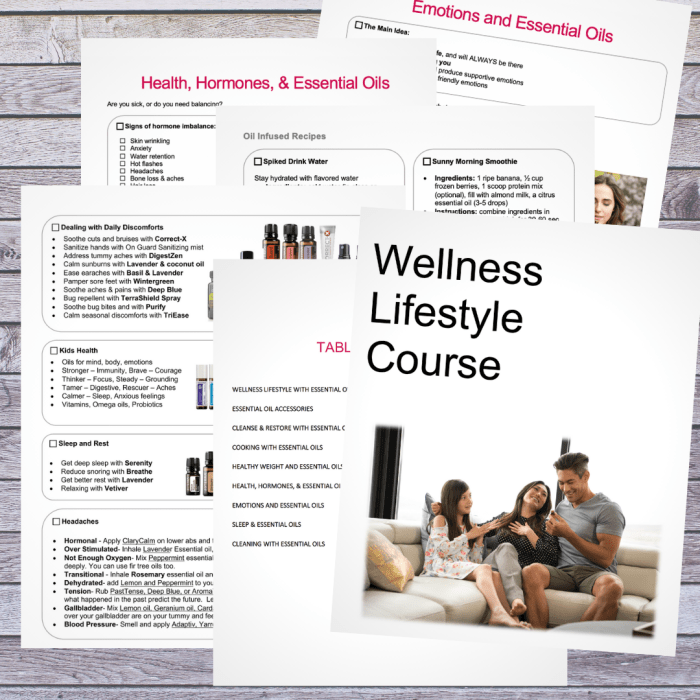
A wellness-focused lifestyle is centered around prioritizing activities and choices that promote overall well-being and balance in all aspects of life. It involves taking care of your physical, mental, emotional, and spiritual health to achieve a state of optimal wellness.
By adopting a wellness-focused lifestyle, individuals can experience a wide range of benefits that contribute to their overall quality of life. Some of the key advantages include improved physical health, increased energy levels, reduced stress and anxiety, enhanced mental clarity, better sleep quality, and a greater sense of fulfillment and happiness.
Why Prioritizing Wellness is Important
It is crucial to prioritize wellness in daily life because it lays the foundation for a healthier and more fulfilling existence. By focusing on wellness, individuals can prevent chronic diseases, boost their immune system, increase longevity, and enhance their overall resilience to life's challenges.
Prioritizing wellness also helps individuals maintain a positive outlook, cultivate meaningful relationships, and achieve a sense of balance and harmony in their lives.
Physical Wellness
Maintaining physical wellness is crucial for overall health and well-being. It encompasses various components such as exercise, nutrition, sleep, and more. By incorporating these elements into your daily routine, you can enhance your physical health and vitality.
Exercise
Regular physical activity is essential for strengthening muscles, improving cardiovascular health, and boosting overall fitness levels. Aim for at least 150 minutes of moderate-intensity exercise per week, such as brisk walking, cycling, or swimming. Incorporate strength training exercises at least two days a week to build muscle and improve metabolism.
Nutrition
Eating a balanced diet rich in fruits, vegetables, whole grains, lean proteins, and healthy fats is key to supporting physical wellness. Avoid processed foods high in sugar, salt, and unhealthy fats. Opt for nutrient-dense foods that provide essential vitamins and minerals to fuel your body and promote optimal functioning.
Sleep
Quality sleep is essential for physical recovery, cognitive function, and overall well-being. Aim for 7-9 hours of sleep per night to allow your body to rest and rejuvenate. Create a relaxing bedtime routine, avoid screens before bed, and ensure your sleep environment is conducive to restful sleep.
Mental Wellness
In a wellness-focused lifestyle, mental health plays a crucial role in overall well-being. It involves managing emotions, thoughts, and behaviors to achieve a positive outlook on life.
Mindfulness Practices for Mental Well-being
Practicing mindfulness can help enhance mental well-being by promoting self-awareness and reducing stress. Some mindfulness practices include:
- Meditation: Taking time to focus on the present moment and calm the mind through breathing exercises.
- Yoga: Combining physical postures, breathing techniques, and meditation to improve mental clarity and reduce stress.
- Mindful Eating: Paying attention to the sensory experience of eating to cultivate a healthy relationship with food and promote mindful consumption.
Strategies for Managing Stress and Promoting Emotional Balance
Stress management is essential for maintaining mental wellness and emotional balance. Some strategies to consider include:
- Exercise: Engaging in physical activity releases endorphins, which can reduce stress and improve mood.
- Journaling: Writing down thoughts and feelings can help process emotions and gain perspective on stressful situations.
- Social Support: Connecting with friends, family, or support groups can provide emotional support and help cope with stress.
- Relaxation Techniques: Practicing deep breathing, progressive muscle relaxation, or visualization exercises can promote relaxation and reduce stress levels.
Emotional Wellness
Emotional wellness plays a vital role in our overall health and well-being. It involves understanding, expressing, and managing our emotions in a healthy way. When we prioritize our emotional wellness, we can experience greater resilience, improved relationships, and a more positive outlook on life.
Role of Self-Care Practices
Self-care practices are essential for nurturing emotional well-being. These practices help us to relax, recharge, and cope with stress more effectively. By taking time for ourselves and engaging in activities that bring us joy and peace, we can improve our emotional health and build emotional resilience.
- Practicing mindfulness and meditation: These techniques can help us stay present, reduce anxiety, and enhance our emotional awareness.
- Journaling: Writing down our thoughts and feelings can provide a healthy outlet for self-expression and reflection.
- Engaging in hobbies: Doing activities we love can boost our mood, reduce stress, and increase feelings of fulfillment.
- Connecting with others: Building strong relationships and seeking support from friends and loved ones can improve our emotional well-being.
- Getting regular exercise: Physical activity releases endorphins, which can help improve mood and reduce feelings of anxiety and depression.
Social Wellness
Social connections play a crucial role in overall wellness, affecting our mental, emotional, and even physical health. Cultivating meaningful relationships and building a strong support network can have a positive impact on our well-being.
Importance of Social Connections
Having strong social connections can reduce stress, increase feelings of happiness, improve self-esteem, and even boost immunity. It provides a sense of belonging and support, which is essential for maintaining overall wellness.
Ways to Cultivate Meaningful Relationships
- Initiate conversations and spend quality time with friends and family members.
- Join community groups or clubs with shared interests to meet new people.
- Show empathy, listen actively, and offer support to others in need.
Setting Boundaries for Social Wellness
Setting boundaries is crucial for maintaining social wellness. It involves knowing when to say no, prioritizing self-care, and establishing healthy limits in relationships to prevent burnout or emotional exhaustion. Remember, it's okay to prioritize your well-being.
Spiritual Wellness
Spiritual wellness refers to the sense of purpose, meaning, and connection to something greater than oneself. It plays a crucial role in a holistic lifestyle by providing individuals with a deeper understanding of themselves and their place in the world.
Different Spiritual Practices
- Meditation: A practice that helps individuals cultivate mindfulness, reduce stress, and connect with their inner selves.
- Yoga: Combining physical postures, breathing exercises, and meditation, yoga promotes spiritual growth and overall well-being.
- Prayer: Engaging in prayer allows individuals to express gratitude, seek guidance, and find comfort in times of need.
- Nature Walks: Spending time in nature can help individuals feel connected to the world around them and find peace and tranquility.
Aligning Personal Values with Spiritual Beliefs
- Reflect on your core values: Take time to identify what is truly important to you and align these values with your spiritual beliefs.
- Practice self-awareness: Be mindful of your thoughts, actions, and choices to ensure they are in line with your spiritual principles.
- Seek guidance: Consult with spiritual leaders, mentors, or community members who can provide support and help you stay true to your beliefs.
Concluding Remarks
As we conclude our exploration of creating a wellness-focused lifestyle, remember that small, consistent steps can lead to profound changes in your overall health and happiness. Embrace the journey towards holistic well-being with open arms and a determined spirit.
Top FAQs
How can I start incorporating physical activity into my daily routine?
Start small by taking short walks, doing bodyweight exercises at home, or joining a fitness class that interests you. Gradually increase the intensity and duration of your workouts as you build stamina.
What are some effective mindfulness practices for improving mental well-being?
Practices such as meditation, deep breathing exercises, journaling, and yoga can greatly enhance mental well-being by promoting relaxation, focus, and emotional clarity.
How can I nurture my emotional well-being through self-care?
Engage in activities that bring you joy and relaxation, such as reading, painting, spending time in nature, or practicing gratitude. Prioritize self-care to recharge and rejuvenate your emotional health.
What role do social connections play in overall wellness?
Strong social connections can boost mood, reduce stress, and provide emotional support during challenging times. Cultivate meaningful relationships and maintain boundaries to foster a healthy social life.
How can I align my personal values with spiritual beliefs for wellness?
Reflect on your core values and beliefs, and explore spiritual practices that resonate with your inner self. By aligning your actions with your spiritual principles, you can experience a deeper sense of purpose and fulfillment.