
Exploring the upcoming Wellness and Fitness Trends to Watch in 2025, this introduction sets the stage for an intriguing dive into the evolving landscape of health and well-being. From innovative technologies to holistic approaches, get ready to discover what the future holds for wellness and fitness enthusiasts.
As we delve deeper, we will uncover the latest trends, advancements, and practices that are reshaping the way we perceive and engage with wellness and fitness in the coming years.
Emerging Wellness Trends
As we look ahead to 2025, several wellness trends are poised to take the industry by storm, offering new approaches to health and well-being that differ from current practices. These emerging trends are reshaping the way we think about wellness and are expected to gain significant popularity in the coming years.
Integrative Wellness Approaches
Integrative wellness approaches are gaining traction as individuals seek more holistic methods to address their health needs. These approaches combine traditional Western medicine with alternative therapies such as acupuncture, chiropractic care, and herbal remedies. By treating the whole person - mind, body, and spirit - integrative wellness practices aim to provide comprehensive care that goes beyond symptom management.
Technology-Driven Wellness Solutions
Technology is playing an increasingly important role in wellness, with wearable devices, health apps, and telehealth services becoming more prevalent. By leveraging technology, individuals can track their health metrics, access virtual consultations with healthcare providers, and participate in online wellness programs.
These advancements are making it easier than ever for people to take control of their health and well-being from the comfort of their own homes.
Mental Health and Emotional Well-being Focus
The importance of mental health and emotional well-being is being recognized more than ever, leading to a shift towards prioritizing self-care practices that support mental wellness. Mindfulness, meditation, and therapy are becoming mainstream tools for managing stress, anxiety, and other mental health challenges.
By destigmatizing conversations around mental health, individuals are empowered to seek the support they need to thrive emotionally.
Technological Advancements in Fitness
With the rapid evolution of technology, the fitness industry is also experiencing groundbreaking advancements that are revolutionizing the way we approach wellness and physical activity.
Smart Wearables and Fitness Trackers
Smart wearables such as fitness trackers, smartwatches, and activity monitors have become indispensable tools for fitness enthusiasts. These devices provide real-time data on various fitness metrics, including heart rate, steps taken, calories burned, and even sleep patterns. With continuous advancements in sensor technology, these wearables are becoming more accurate and sophisticated, allowing users to track their progress and set personalized fitness goals.
Virtual Reality (VR) and Augmented Reality (AR) in Fitness
Virtual reality and augmented reality technologies are increasingly being integrated into fitness routines to enhance the overall experience. VR workouts provide immersive and engaging environments that make exercise more enjoyable and motivating. AR applications, on the other hand, overlay digital information onto the real world, offering interactive and dynamic workout experiences.
These technologies not only make workouts more entertaining but also help users stay focused and committed to their fitness goals.
Artificial Intelligence (AI) in Fitness Apps
Artificial intelligence is playing a significant role in personalized fitness experiences through AI-powered fitness apps. These apps analyze user data, preferences, and goals to create customized workout plans and nutrition guidelines. AI algorithms can also provide real-time feedback and suggestions to optimize training sessions and improve overall performance.
With AI integration, fitness enthusiasts can receive tailored guidance and support, making their fitness journey more effective and efficient.
Holistic Approaches to Health
Holistic health is a concept that considers the whole person
- body, mind, spirit, and emotions
- in the quest for optimal health and wellness. It emphasizes the importance of looking at the individual as a whole, rather than focusing only on specific symptoms or parts of the body. This approach aims to achieve balance and harmony in all aspects of a person's life to promote overall well-being.
Examples of Holistic Approaches
- Integrative Medicine: Combining conventional medicine with alternative therapies like acupuncture, herbal remedies, and chiropractic care to treat the root causes of health issues.
- Mindfulness: Practices like meditation, yoga, and deep breathing exercises that help individuals stay present, reduce stress, and improve mental clarity.
- Energy Healing: Therapies such as Reiki, acupuncture, and crystal healing that focus on tapping into the body's energy fields to promote healing and balance.
Integration into Mainstream Wellness Programs
Holistic health approaches are increasingly being integrated into mainstream wellness programs as more people recognize the benefits of addressing all aspects of their health. Employers are offering mindfulness training in the workplace to reduce stress and improve productivity. Hospitals are incorporating integrative medicine practices to provide patients with a more comprehensive approach to healing.
Overall, the shift towards holistic health signifies a growing awareness of the interconnectedness of mind, body, and spirit in achieving optimal well-being.
Sustainable Fitness Trends

As the focus on sustainability continues to grow across various industries, the fitness world is also witnessing a shift towards eco-friendly practices and equipment. Sustainable fitness trends not only promote a healthier lifestyle but also contribute to reducing the environmental impact of traditional fitness routines.
Outdoor Workouts
Outdoor workouts have gained popularity as a sustainable fitness trend, allowing individuals to exercise in natural settings while minimizing the use of electricity and indoor facilities. Activities such as running, hiking, or yoga in outdoor spaces not only provide physical benefits but also promote mental well-being and a deeper connection to nature
Upcycled Gym Gear
The concept of upcycling has made its way into the fitness industry, with brands creating gym gear from recycled materials. From workout apparel made of plastic bottles to equipment crafted from repurposed materials, upcycled gym gear not only reduces waste but also promotes a circular economy within the fitness sector.
Green Fitness Spaces
Green fitness spaces are emerging as sustainable alternatives to traditional gyms, incorporating eco-friendly practices in their design and operations. These spaces may feature energy-efficient equipment, natural lighting, and sustainable building materials, creating a healthier environment for both users and the planet.
Mental Health and Wellness
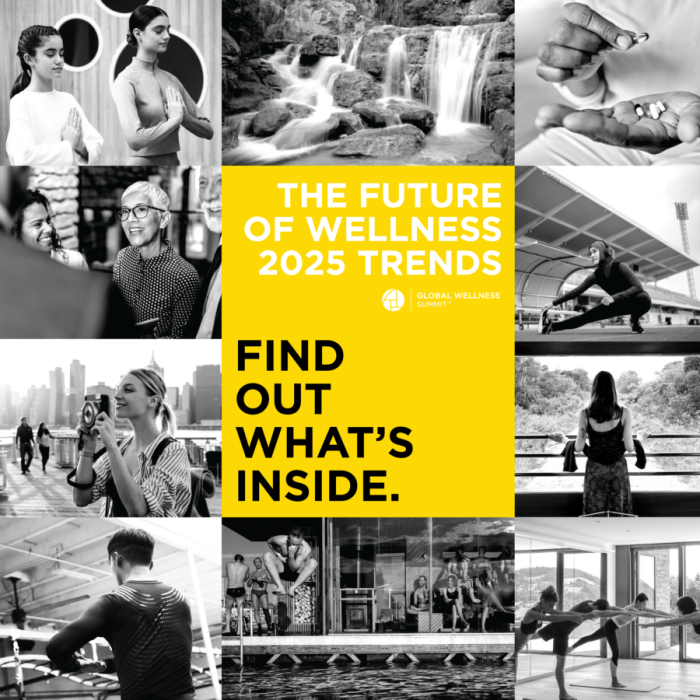
The focus on mental health in wellness trends is becoming increasingly prominent as people recognize the crucial role it plays in overall well-being. In recent years, there has been a shift towards integrating mental health services into fitness centers and wellness programs to provide a more holistic approach to health.
Integration of Mental Health Services in Fitness Centers
Fitness centers are now offering a range of mental health services alongside physical exercise programs to support individuals in managing stress, anxiety, and other mental health concerns. These services may include access to therapists, counselors, mindfulness classes, and meditation sessions to promote emotional well-being.
Connection between Physical Exercise and Mental Well-being
Regular physical exercise has been linked to improved mental health outcomes, such as reduced symptoms of depression and anxiety. Exercise releases endorphins, which are known as the "feel-good" hormones, contributing to a positive mood and overall sense of well-being. The combination of physical activity and mental health support can have a synergistic effect on improving mental wellness.
Overall Health Benefits
Prioritizing mental health in wellness programs not only enhances emotional well-being but also has a positive impact on physical health. Studies have shown that individuals who prioritize both their physical and mental well-being are more likely to maintain a healthy lifestyle, reduce the risk of chronic diseases, and experience a better quality of life overall.
Wellness Travel and Retreats
Traveling for wellness and retreats has evolved significantly over the years, shifting from traditional vacations to immersive experiences focused on rejuvenation and self-care. Wellness travel now offers a wide range of activities and programs designed to promote overall well-being.
Evolution of Wellness Travel Experiences
- Wellness retreats have become more specialized, catering to specific needs such as yoga, meditation, detox, and holistic healing.
- Destination spas and wellness resorts now offer comprehensive programs that focus on physical, mental, and emotional health.
- Wellness travel has shifted towards sustainable and eco-friendly practices, promoting harmony with nature and local communities.
Popular Destinations for Wellness Travel
- Bali, Indonesia: Known for its yoga retreats, spa treatments, and spiritual healing practices.
- Sedona, Arizona: Renowned for its energy vortexes, holistic healing centers, and outdoor wellness activities.
- Costa Rica: Offers eco-friendly resorts, jungle yoga retreats, and wellness programs focused on nature immersion.
Benefits of Combining Travel with Wellness Practices
- Enhanced relaxation and stress relief: Traveling to serene locations promotes relaxation and reduces stress levels.
- Physical rejuvenation: Engaging in wellness activities like yoga and spa treatments can rejuvenate the body and mind.
- Cultural enrichment: Wellness travel allows for cultural immersion and learning, providing a well-rounded travel experience.
Outcome Summary
In conclusion, the discussion on Wellness and Fitness Trends to Watch in 2025 offers a glimpse into the transformative journey ahead. From sustainable fitness practices to mental health integration, the future looks promising for those seeking holistic well-being and vitality.
Stay informed, stay inspired, and embrace the evolving trends that will shape the way we approach wellness in the years to come.
Answers to Common Questions
What are some anticipated wellness trends by 2025?
Anticipated wellness trends for 2025 include personalized nutrition plans, virtual wellness coaching, and AI-powered fitness tracking.
How is technology influencing fitness routines?
Technology is transforming fitness routines through wearable devices, virtual workout platforms, and data-driven training programs.
What is the significance of holistic health in wellness practices?
Holistic health focuses on treating the whole person, including their physical, mental, and emotional well-being, rather than just addressing symptoms.
What are some examples of sustainable fitness trends?
Examples of sustainable fitness trends include eco-friendly workout gear, outdoor fitness classes, and gyms powered by renewable energy sources.
How is mental health integrated into wellness programs?
Mental health is integrated into wellness programs through mindfulness practices, counseling services, and stress management techniques to promote overall well-being.